
If you’re researching heat pump installation in St. Johns ahead of replacing an aging system, this guide is built for the decision moment. What to ask before you buy, how to size the unit, how to vet the installer, and which efficiency tier actually pays back in Florida’s climate.
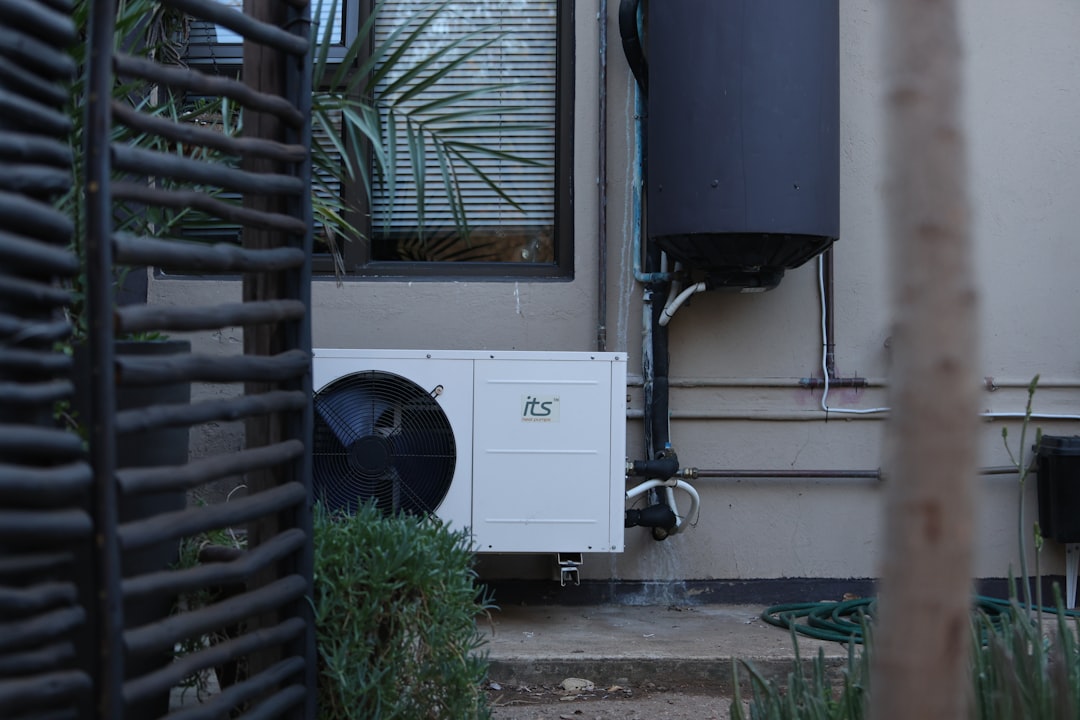
1. What’s the current system’s age, and is repair still on the table? If your existing heat pump is under 10 years old and the failure is a single component (capacitor, contactor, refrigerant leak), repair at $300–$1,500 is often the right call. New-system shopping starts at year 12+, or when a single repair quote crosses 50% of replacement cost.
2. What size system do you need? Sizing isn’t square footage alone — it’s a Manual J load calculation factoring insulation, window orientation, occupancy, and ductwork condition. The contractor should perform this BEFORE quoting. A 2,400 sqft St. Johns home typically needs a 3 to 4 ton system; a 1,400 sqft home needs 2 to 2.5 tons. Oversized systems short-cycle, fail to dehumidify, and fail prematurely.
3. What SEER and HSPF rating should you target? Federal minimum is 14 SEER as of 2023. 16 SEER is the comfortable mainline pick. 18+ SEER inverter systems are the premium tier and pay back over 8–12 years through energy savings.
4. How will the indoor side be matched? A new outdoor heat pump on a 12-year-old air handler is a mismatch — the air handler caps the system’s overall efficiency. Most reputable contractors include matched air handler replacement in the quote.
5. What’s the line set situation? If you’re upgrading from R-22 (pre-2010 systems) to current R-410A or newer refrigerants, the line set should be flushed or replaced. Reusing R-22 lines with newer refrigerant is a warranty compliance issue.
| Home size | Recommended capacity | Typical St. Johns installed cost | |—|—|—| | Under 1,200 sqft | 1.5–2 ton | $5,500–$7,500 | | 1,200–1,800 sqft | 2.5–3 ton | $7,000–$9,000 | | 1,800–2,500 sqft (most St. Johns homes) | 3–4 ton | $8,000–$10,500 | | 2,500–3,500 sqft | 4–5 ton | $9,500–$12,500 | | 3,500+ sqft | 5 ton or dual systems | $12,000–$16,000+ |
The right-sized system runs longer cycles, dehumidifies better, and lasts longer than an oversized one. Don’t let a contractor size by square footage alone.
14 SEER (federal minimum) baseline: Lowest upfront cost, lowest ongoing electricity savings. Right when budget is the hard constraint or when planning a sale within 3 years.
16 SEER mid-tier: The mainline pick for most St. Johns homes. The efficiency premium over 14 SEER usually pays back within 5–7 years, and the equipment quality at this tier is typically higher.
18+ SEER inverter systems: Variable-speed inverter compressors run at partial capacity most of the time, dehumidify better, and use less electricity per cooling hour. Pays back over 8–12 years for owner-occupiers staying long-term. The premium is real money — $3,000–$5,000 over 14 SEER — so the math depends on time horizon.
For St. Johns County’s climate, a heat pump is almost always the right choice over a gas furnace for three reasons:
1. The system you need for AC is most of the heating system you need anyway. A heat pump is just an AC that can run in reverse. Adding heating capability to a system you already need for cooling is essentially free — versus paying separately for a furnace.
2. The heating load is small. St. Johns averages maybe 8–10 weeks of real heating demand per year, and most of that is mild (overnight lows in the 40s, occasional dips into the 30s). A heat pump with electric strip backup handles this easily. The capital cost of a separate gas furnace doesn’t earn back over the limited heating hours.
3. New construction overwhelmingly skips gas. Most St. Johns new construction since 2005 doesn’t have gas service to the home, meaning a gas furnace replacement would require utility hookup at $3,000–$5,000 separate cost. The heat pump is the default for new builds and a like-for-like replacement target for most existing systems.
Five vetting questions:
St. Johns runtime is roughly 10 to 12 months of cooling season with brief heating spurts in January and February. The system cycles almost continuously through summer, which is why right-sizing and proper installation matter more here than in climates with shorter cooling seasons.
The other piece is humidity. St. Johns averages 75–82% annual humidity. A variable-speed inverter heat pump dehumidifies better than a single-speed system because it runs longer cycles at partial capacity, which means more time pulling moisture out of the air. For homeowners with persistent humidity complaints, the inverter premium is usually worth it on comfort alone.
For most St. Johns homes replacing a 12+ year old system, the right setup is a 16 SEER heat pump with matched air handler, properly sized per Manual J load calculation, at $8,000 to $10,500 installed. The inverter tier is worth the upgrade if humidity control matters and you’re staying long-term.
Hot Heads HVAC handles heat pump installations across St. Johns County and serves St. Johns, Ponte Vedra, Nocatee, Palencia, World Golf Village, and the broader area. Get the load calc and the matched-system quote in writing before you compare contractors — those are the two pieces that make quotes actually comparable.