Heating Repair and Installation

Orange Park Furnace Won't Start? A 7-Step Diagnostic Walkthrough

It’s 41°F on a January morning in Orange Park, the heat won’t kick on, and the family is layering up while you stand at the thermostat wondering what’s wrong. This guide is the decision tree you need before calling a contractor — work through the seven checks in order and you’ll either fix the problem yourself or know exactly what to tell the technician when they pick up.
Start Here

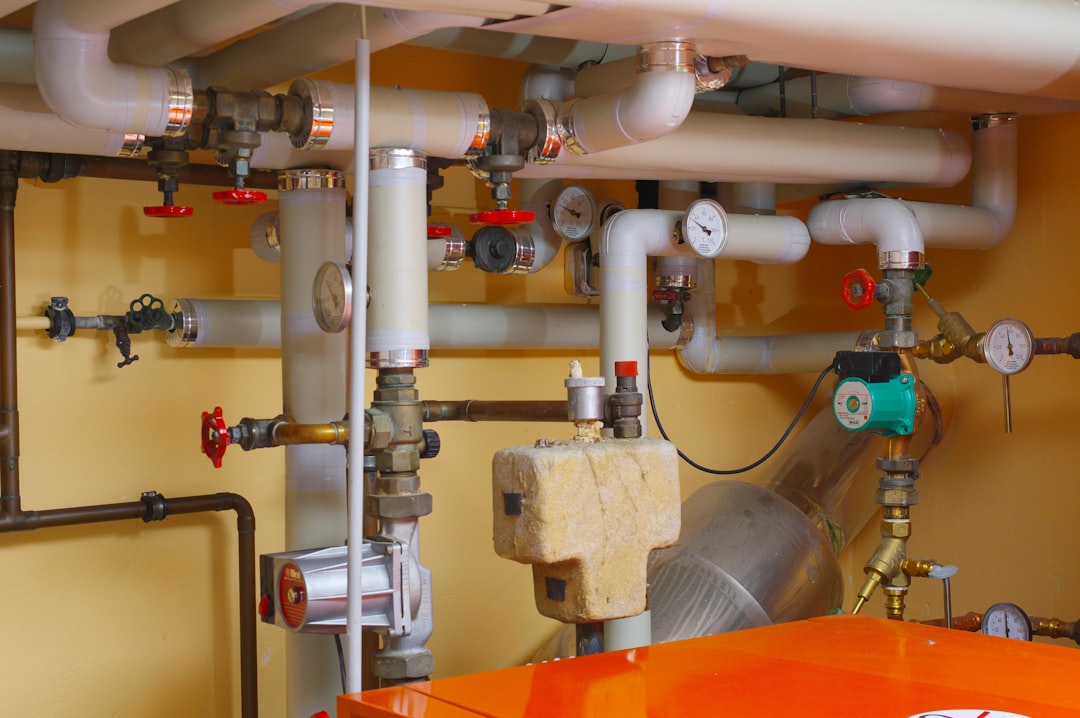
Heating system equipment in a residential utility closet

Before going further: if you smell gas, sharp electrical burning, or see smoke, stop. Shut the system off at the thermostat, then at the breaker, ventilate the house, and call a licensed contractor immediately. The diagnostic tree below assumes a no-emergency “system just won’t start” scenario.

Step 1: Is It the Thermostat?

The single most common cause of “furnace won’t start” calls is thermostat. Roughly a third of Orange Park no-heat calls trace back to this in some form.

Check:

  • Is the thermostat set to HEAT (not OFF, not COOL, not FAN)?
  • Is the setpoint above current room temperature?
  • Do the thermostat batteries need replacing? (Most digital thermostats run on AA batteries; replace if the display is dim or blank.)
  • Does the thermostat have a switch on the side that may have been flipped?

Fix: If thermostat correction restores heat — done. If not, move to Step 2.

Step 2: Is the Breaker Tripped?

Furnaces have a dedicated breaker in the main electrical panel. A power surge from a storm — common in Clay County — can trip it.

Check:

  • Open the electrical panel
  • Look for any breakers in the OFF or middle position (a tripped breaker often sits between OFF and ON)
  • Specifically locate the furnace breaker (usually labeled, sometimes labeled “air handler”)
  • Push it fully OFF, then fully ON

Fix: If the breaker holds and the furnace starts — done. If it trips again immediately, stop. A breaker that won’t stay set indicates an electrical short or grounded component, and that’s a contractor call, not a DIY fix.

Step 3: Is It the Filter?

A clogged filter restricts return airflow and trips the high-limit safety switch, which shuts the furnace down to prevent overheating.

Check:

  • Pull the air filter (usually located in a return grille or at the air handler intake)
  • Hold it up to a light source
  • If you cannot see light through it, the filter is clogged

Fix: Replace the filter. Wait 5 minutes for the system to reset its safety controls, then try again. If the furnace starts, you’ve found the cause — set a 1-to-3-month filter-change calendar reminder.

Step 4: Is It the Drain Line? (Heat Pump Systems)

If your “furnace” is actually a heat pump with electric strip backup (very common in Orange Park new construction), a clogged condensate drain can trigger a float switch that prevents the system from running.

Check:

  • Look for a small PVC drain line near the indoor air handler
  • Is there a float switch visible in the drain pan?
  • Has the drain pan accumulated water?

Fix: Clear the drain line with a wet/dry vacuum at the outdoor termination point, or pour 1 cup of distilled vinegar into the drain access. Wait 10 minutes, then retry the system.

Step 5: Is the Gas Supply On? (Gas Furnaces Only)

If you have a gas furnace, the gas supply has to be on for the system to start.

Check:

  • Locate the gas shutoff valve at the furnace (usually a yellow or red handle on the supply pipe before the furnace)
  • The handle should be parallel to the pipe (ON), not perpendicular (OFF)
  • Check that your gas service to the home is on — try a gas stove burner; if it ignites, gas is flowing to the house

Fix: If the valve was off, turn it on, wait 2 minutes, retry the system. If gas service to the house is off entirely, contact the utility.

Step 6: Is the Igniter or Flame Sensor Failing?

This is where DIY ends and most homeowners stop. The igniter (or hot-surface igniter on modern furnaces) and the flame sensor are the components that actually start combustion. Both fail with age, and the failure mode is exactly what you’re seeing — system tries to start, fails to ignite or fails to confirm flame, locks out.

Check:

  • Listen at the furnace cabinet when calling for heat
  • Hear the inducer fan run (whirring sound), then a click (igniter), then… silence or a single “whoosh” that fades? That’s failed ignition or flame sensor.
  • Some furnaces have a small LED diagnostic light visible through a window in the cabinet — count the flash pattern and look it up against the model’s diagnostic chart

Fix: Igniter replacement runs $250 to $450 in Orange Park, including labor. Flame sensor cleaning is the cheapest possible service call at $150 to $250. If the LED flash pattern indicates either of these, you’re looking at a same-day service call, not a major repair.

Step 7: Control Board, Transformer, or Pressure Switch

If Steps 1–6 don’t find the cause, you’re into the more expensive category. The control board, transformer, or pressure switch can all fail and produce “furnace won’t start” symptoms.

Diagnostic clues:

  • No sound at all from the furnace when calling for heat? Control board or transformer.
  • Inducer fan runs but won’t proceed to ignition? Pressure switch or control board.
  • LED flash pattern points to “open pressure switch” or similar? Pressure switch.

Cost ranges:

  • Pressure switch: $250–$450 installed
  • Transformer: $200–$400 installed
  • Control board: $400–$800 installed

Why Orange Park Furnaces Fail in Specific Ways

Orange Park furnaces sit idle for most of the year — Clay County has maybe 8–10 weeks of real heating demand annually. That sit-and-spike pattern produces failure patterns you don’t see in northern climates:

  • Dust accumulation on the igniter and flame sensor is higher because the burner cycles infrequently
  • Capacitor and contactor failures show up disproportionately on the first cold morning, when components that degraded in summer attic heat finally give up under load
  • Spider webs and insect debris in the flue and burner assembly are real — Florida pests find idle furnaces during the long off-season

The annual fall tune-up (Step 0 of any heating season) catches all three.

The Bottom Line

Work through the 7 steps in order. By the time you hit Step 6, you’ve ruled out most of the DIY causes and you can call a contractor with specific symptom information — which usually means a faster, cheaper service call than “the furnace just won’t work.”

Hot Heads HVAC handles heating repair across Clay County and serves Orange Park, Fleming Island, Green Cove Springs, Mandarin, Julington Creek, and the broader Jacksonville metro. If your diagnostic walkthrough points at the igniter, flame sensor, or pressure switch, get same-day service before the next cold morning arrives.

Frequently Asked Questions

In Orange Park, thermostat issues account for the largest single category — battery, setting, or wiring. Clogged filters and tripped breakers fill in most of the rest. Igniter and flame sensor failures are the most common “real” mechanical causes.

Most furnace repairs run **$200 to $900** depending on the failed component. Flame sensor cleaning is the cheapest at **$150–$250**. Igniter replacement is **$250–$450**. Control board replacement is **$400–$800**.

Usually the igniter is trying to fire and either the igniter itself has failed or the flame sensor isn’t confirming flame. Both are same-day service calls.

No — more than 3 failed start attempts can flood the burner with unburned gas (gas systems) or overheat the igniter (electric ignition). Wait at least 5 minutes between attempts, and stop after 3 if the system isn’t catching.

Once a year, in fall before heating season. Florida furnaces sit idle most of the year, and a fall tune-up catches the dust, debris, and component degradation that produces first-cold-morning failures.

Questions? Need a quick quote?

Just want to chat about the weather… or your thermostat? We’re here for it.

Whether you’re a longtime Mandarin homeowner, just moved into Silverleaf, or settling into a new build in Julington Creek, Hot Heads is your local HVAC team in Jacksonville and St. Johns County.

Contact us today or give us a call. Let’s figure out exactly what your home needs.